


Knowledge Base
Equipment Lubricants for Molding Machines: Improving Performance Without Contamination
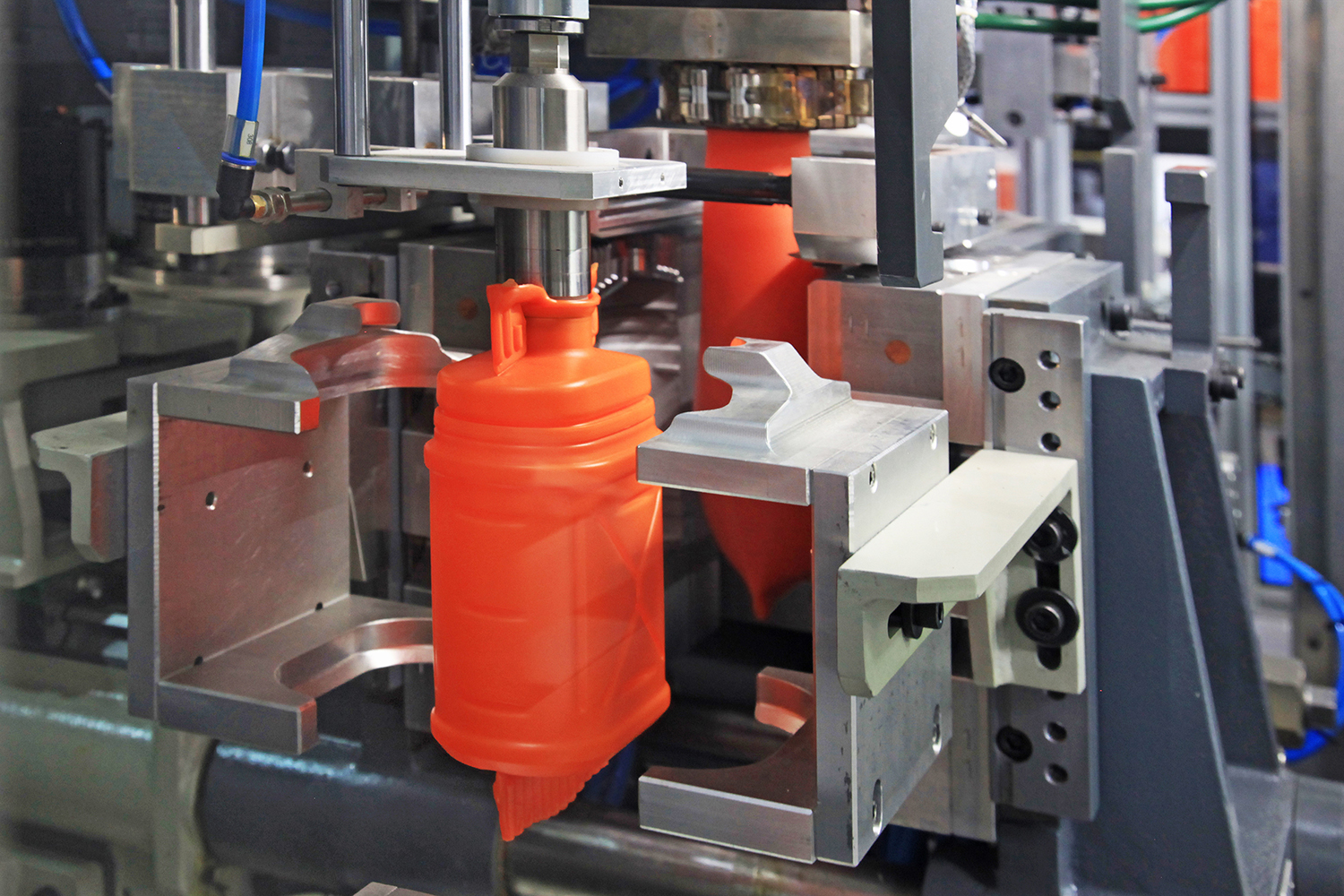
Selecting the right equipment lubricant for your molding environment is a practical decision with direct impact on injection molding uptime, component wear, and production consistency. This guide covers what matters when evaluating molding machine lubricants and how to apply them without introducing contamination risks that cause part defects and rejects or lead to quality holds.
Equipment Lubricants and Mold Releases Are Not the Same Thing
Before going further, one distinction is worth addressing directly: equipment lubricants and mold release agents are not interchangeable, and treating them as the same solution creates real problems.
Mold releases are applied to mold surfaces to prevent parts from sticking during demolding. Equipment lubricants are applied to machine components, moving parts, and mechanical interfaces to reduce friction and wear.
These are separate categories with distinct formulations, application points, and performance requirements. Cross-use introduces a contamination risk, can compromise part surfaces, and may interfere with the mold-release performance your process depends on.
At Stoner Molding Solutions, we work with manufacturers across the plastics, rubber, urethane, and composite molding industries. We carry both categories because both matter, and because knowing the difference protects your process.
Where Molding Machine Lubricants Are Used
Understanding application points helps you evaluate lubricant properties against real operating conditions. Common lubrication points on injection molding and related molding equipment include:
- Tie bars and guide rods: Subject to repeated linear load under clamping pressure
- Toggle mechanisms and linkages: High-contact, repetitive motion requiring consistent film stability
- Ejector pins and sleeves: Tight clearances with thermal cycling and particulate exposure
- Platens and sliding surfaces: Long-stroke surfaces where buildup accelerates wear
- Hydraulic fittings and seals: Where fluid compatibility determines service life
- Gear drives and actuators: Load-bearing applications with high operating temperatures
Each point has its own demands. A single lubricant is rarely the right answer for an entire machine. Matching lubricant type to application conditions is where the real work begins.
Key Properties to Evaluate in an Industrial Lubricant for Plastics Manufacturing
When evaluating an industrial lubricant for plastics manufacturing or related molding environments, these properties determine fit:
- Temperature stability: Molding environments generate heat. A lubricant that thins out, migrates, or burns off under operating temperatures loses effectiveness quickly and increases reapplication burden. Look for products rated to the actual temperature range of the application, not just ambient conditions.
- Load-carrying capacity: Toggle mechanisms and clamping systems operate under significant mechanical stress. Lubricants without adequate load-carrying capacity break down under pressure, leading to accelerated wear on metal surfaces.
- Migration control: This is critical in molding environments. A lubricant that migrates beyond its application point can reach mold surfaces, contact areas with parts, or downstream equipment. Migration is one of the most common root causes of contamination control failures in production environments, and it often does not surface until a quality hold or reject run makes the cost visible.
- Viscosity and consistency: The right grade keeps the lubricant where you put it. Too light, and it migrates or evaporates. Too heavy, and it attracts particulate contamination or impedes motion.
- Compatibility: Always verify compatibility with the metals, seals, and surface coatings at the application point. Incompatible chemistry can accelerate degradation rather than prevent it.
No single property determines the right fit on its own. Your operating conditions, application point, and the contamination risks specific to your production environment all factor into the decision. Evaluating these properties together, before committing to a product, reduces the likelihood of a performance gap or a costly process disruption down the line.
Lubricant Contamination Prevention: Application Discipline Protects Part Quality
Your application habits matter as much as your product selection. Lubricant contamination prevention starts before the product is ever applied, and these machine lubrication best practices reduce risk at every point in your process:
- Apply only to the intended point: Keep lubricant where it belongs. Use targeted applicators or grease fittings instead of aerosol misting near open mold surfaces or part transfer areas. Overspray prevention is one of the simplest ways to protect part quality.
- Use the minimum effective amount: More lubricant does not mean better protection. Excess product increases the chance of migration and buildup on surrounding surfaces.
- Follow consistent maintenance intervals: Predictable reapplication schedules reduce variability across your shifts and support consistent equipment lubricants for injection molding programs, machine-to-machine.
- Clean before reapplying: Make sure your team is doing housekeeping and wipe-downs. Applying fresh lubricant over degraded product or particulate contamination masks wear and reduces effectiveness.
- Store lubricants separately from mold releases: Keep these products in clearly labeled, separate storage areas. This one step reduces cross-use risk between operators and across shifts.
When your team consistently applies, monitors, and stores lubricants, you eliminate the small process gaps that show up as defects, rejections, or unplanned downtime. Lubrication should support your production, not interrupt it.
Food-Contact Applications Require Additional Consideration
If your facility produces parts for food-contacting applications, selecting the right food-contact lubricant carries an additional layer of compliance. These environments require lubricants that meet applicable incidental contact requirements.
This is a product-specific evaluation, and generalizing across lubricant categories is not sufficient. Confirm compliance for each product used in those zones before implementation.
Compatibility Testing Before Full Implementation
Switching lubricants or introducing a new product to an existing process always carries some risk. Before full implementation, run a controlled trial on a single machine or component. Monitor for:
- Film retention under operating temperature and load
- Migration behavior over a defined run
- Any effect on the part surface quality in nearby mold areas
- Component wear compared to your baseline
Compatibility testing reduces the risk of process disruption, especially in high-volume production environments where a quality hold incurs high costs.
Ready to Choose the Right Equipment Lubricant for Your Application?
The right equipment lubricant for injection molding or any industrial molding environment is determined by where it is used, the operating conditions, and the nearby contamination risks.
Stoner Molding Solutions offers equipment lubricants and greases designed for industrial molding environments, along with application guidance to help you select and use them correctly.
If you are evaluating options for a specific machine, component, or production condition, we can help you identify the right fit. Reach out to discuss your application and request product guidance or a sample for your process.
Shop Now
Unlike many mold release brands, Stoner Molding Solutions formulates, manufactures, and distributes our own products. Check out our full line of mold releases, sealers, cleaners, rust preventatives, and lubricants. In stock products are ready to ship now!