


Knowledge Base
Mold Release Trials: A Practical Guide to Testing Mold Release Agents for Real Process Improvement
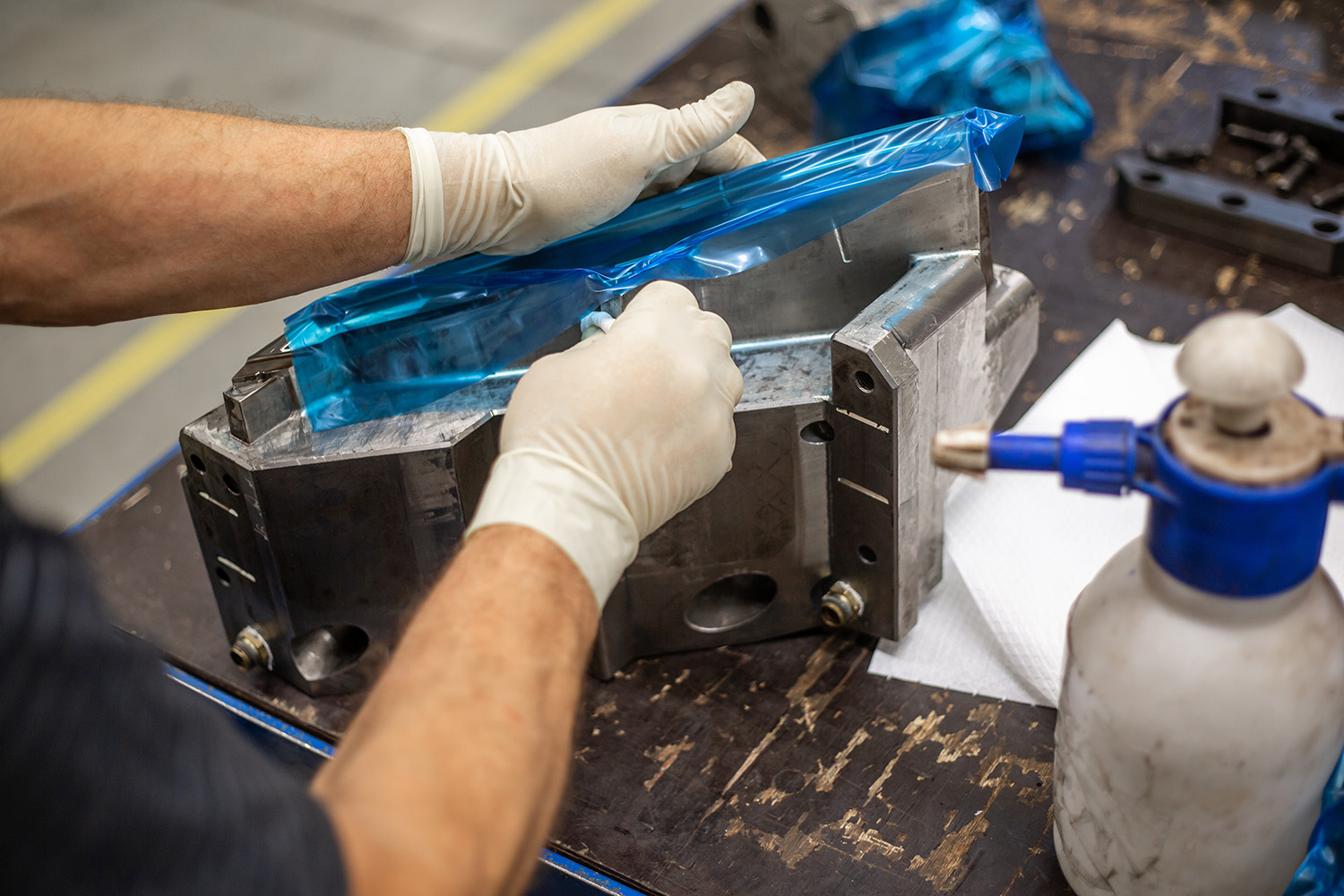
A well-designed trial does more than answer “Does this release agent work?” It reveals how it works in your specific material, tooling, and cycle parameters, and whether it improves release agent performance in measurable ways. The steps below outline a structured, data-driven approach to testing mold release products in thermoplastics, rubber, polyurethane, and composite molding environments.
Define Clear Trial Objectives Before You Spray Anything
The most common failure in mold release trials is starting without a target. Begin by documenting what “better” means for your process. Objectives should be specific and measurable, such as:
- Reduce part-sticking incidents by 50 percent
- Improve surface finish or reduce staining
- Extend run time between reapplication events
- Lower cycle time by 2 to 5 percent
- Reduce mold cleaning frequency or time
Tie objectives to business outcomes: higher molding efficiency, less downtime, less scrap, or more consistent cosmetic quality. If a trial objective is vague, the results will be vague too, and the trial will not support real mold-release process improvement.
Document Current Baseline Performance
Before introducing a new mold release agent, build a baseline using your current product and conditions. This creates a reference point so trial results can be quantified instead of guessed. Capture baseline metrics for an appropriate time window, such as one full shift or a defined number of cycles.
Key baseline data to record includes:
- Cycles between applications
- Number of stuck parts or pull-force incidents
- Scrap rate tied to release or cosmetic defects
- Cycle time and any delays due to release issues
- Mold cleaning interval and cleaning time
- Operator notes on ease of demolding and part appearance
These measurements serve as the “control” against which mold release products are evaluated. Without this, even a good new release agent can look average, and an average one can look great.
Prepare Clean, Comparable Molds
Dirty or coated molds distort trial outcomes. Residual waxes, silicones, or polymer buildup can mask whether a new mold release is truly improving release behavior or just riding on old residue. Before starting, clean the mold to a known standard.
Use a documented cleaning approach and maintain consistency. If your process includes sealants, note whether they are being used and apply them in a controlled way. This is also a good moment to reference internal resources such as Mold Cleaners and Mold Sealants to ensure tooling starts in a neutral, repeatable state.
A clean mold is not just good housekeeping. It is a core part of reliable trial procedures.
Isolate Variables and Standardize Test Conditions
A strong trial changes one thing at a time. If the mold release agent changes while temperatures drift or material lots change, you cannot tell what caused the result.
Standardize these conditions as tightly as your production reality allows:
- Resin or compound lot and moisture state
- Mold temperature setpoints and actual readings
- Barrel temperatures, injection profiles, and cure times
- Press speed, packing, and cooling parameters
- Tooling condition and venting status
- Application method and reapplication schedule
If you must adjust a parameter during the trial, document it immediately and note why. This protects trial validity and supports later process optimization.
Apply the Release Agent Using a Repeatable Method
Many mold release trials fail because the application is inconsistent. Trial results should reflect product performance, not differences in spray distance or wipe technique.
Define your mold application testing method upfront:
- Application type: spray, wipe, mist, or automated system
- Distance, pass count, and angle for spray products
- Flash-off or dry time before cycling
- Number of initial coats and when reapplication occurs
- Target film thickness if applicable
- Which cavities or mold zones are treated
Train operators on the method before the trial begins. Then, audit early runs to confirm consistency. Even high-performing mold release agents will look unreliable if the film is over-applied in one cycle and under-applied in the next.
Run Trials in Phases Instead of a Single Pass
Better trials use phases to separate short-term behavior from long-term stability.
Phase 1: Start-up evaluation
Run a defined number of cycles to confirm immediate release, transfer, and part appearance. Watch for issues like fisheyes, gloss shifts, or residue. Record first-article quality and any required adjustments.
Phase 2: Steady-state performance
Continue production under locked parameters and track how many cycles the mold release lasts, how the release force trends, and whether
the cosmetic quality remains stable. This phase is the most valuable for comparing release agent performance.
Phase 3: Extended run and cleaning impact
If feasible, test the extended cleaning interval. Measure whether the agent reduces buildup or simplifies cleaning. This phase often reveals the biggest contribution to molding efficiency.
Staged trials support deeper mold-release process improvement by showing when performance changes and why.
Record Outcomes With Simple, Production-Friendly Tools
Do not overcomplicate data capture. Clear, consistent recording matters more than fancy templates. Use tools that operators and engineers will actually use on the floor.
At minimum, log:
- Cycle count and time stamps
- Application events and method confirmation
- Sticking incidents and cavity location
- Cosmetic defect counts linked to release
- Cleaning events and time required
- Any parameter deviations
Pair quantitative data with short operator or technician notes. Real-world trial data is strongest when numbers and observations tell the same story.
Analyze Results Against Objectives and Make a Decision
Once phases are complete, compare trial results to your baseline and objectives. Look for both performance gains and tradeoffs. A release agent may reduce sticking but increase transfer, or improve finish while requiring more frequent application.
Decision criteria should include:
- Objective achievement level
- Consistency across shifts or operators
- Sensitivity to temperature or process drift
- Cost per part, not cost per can
- Impact on cleaning time and tooling life
If results are mixed, consider a follow-up trial that tweaks only one variable, such as application frequency or mold temperature stability. This is how testing mold release products becomes a reliable path to process optimization rather than a one-off experiment.
Turn Trial Learnings Into a Standard
The final step is documentation. If the mold release is adopted, convert trial settings into a standard operating procedure:
- Approved application method and interval
- Parameter windows that support the best performance
- Troubleshooting notes for deviations
- Cleaning and sealing compatibility rules
- Training checklist for new operators
This locks in gains and ensures the trial delivers lasting molding efficiency.
Ready to Improve Your Mold Release Performance?
A disciplined trial approach is the fastest way to validate a new mold release agent, reduce variability, and uncover meaningful opportunities for process optimization. When trials are built on clean molds, controlled variables, and clear outcome tracking, the data points directly to better decisions and measurable improvements in consistency, downtime, and part quality. For help planning trials, selecting formulations, or interpreting results, Stoner Molding offers ISO-certified expertise and a full suite of solutions backed by deep application experience, including Mold Cleaners, Mold Sealants, and Technical Support Resources.
Shop Now
Unlike many mold release brands, Stoner Molding Solutions formulates, manufactures, and distributes our own products. Check out our full line of mold releases, sealers, cleaners, rust preventatives, and lubricants. In stock products are ready to ship now!