


Knowledge Base
Molding Defect Prevention: The Process Habits That Drive Consistent Quality
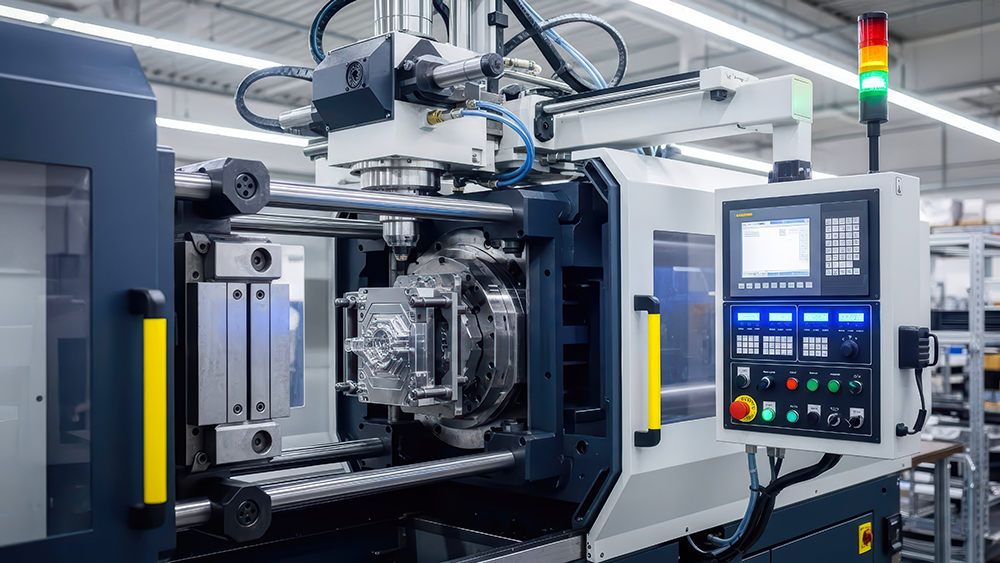
Now, let’s cover the practical steps that help production teams reduce demolding defects, cut scrap, and keep cycle times on track.
Why Preventing Mold Defects Starts Before the Press Closes
Most recurring defects do not appear out of nowhere. They develop when small inconsistencies in the process stack up over time. The three most common contributors are:
1. Inconsistent mold release application
When the mold release application varies between operators or across shifts, results vary too. One run releases cleanly. The next tears. The mold has not changed. The application has. Standardizing how your team applies release is one of the most direct steps you can take toward consistent part quality.
2. Mold buildup reduces release effectiveness
Over time, residue accumulates on mold surfaces, particularly in areas with tight geometries or fine surface detail. That buildup creates a barrier between the mold and the release agent, leading to part sticking, surface transfer, and unpredictable demolding defects. It builds gradually, which is why it often goes unnoticed until a quality problem arises.
3. Deferred mold cleaning
When production is running well, cleaning gets pushed back. Then a part sticks or tears and the line stops. Incorporating cleaning into a regular mold release schedule, rather than treating it as a reactive measure, keeps molds in condition to support clean, repeatable releases.
Mold Release Techniques That Reduce Scrap
Applying mold release agents correctly does not require a complicated process, but it does require consistency. Here are a few mold release techniques that make a measurable difference at the production level:
- Apply in thin, even coats: Heavier application does not improve release performance and can introduce surface defects, especially on parts with close tolerances.
- Allow proper flash-off or cure time before closing the mold: Skipping this step is one of the most common causes of adhesion issues and demolding defects.
- Document the process and train all operators to the same standard: When your results depend on individual judgment, you will get individual results.
For production environments running high-volume or complex parts, mold release agents such as E302 Rocket Release and E342 Zero Stick are well-suited for industrial mold surfaces, including metal and carbon steel tooling. Both are designed to support consistent release performance across extended production runs without frequent reapplication.
Mold Maintenance Tips That Support Consistent Part Quality
A structured approach to mold maintenance is one of the most underused tools in molding defect prevention. Regular cleaning removes buildup before it affects release performance, extends mold service life, and reduces production downtime caused by reactive maintenance.
Kantstik 93234 CUT Non-Chlorinated Mold Cleaner is formulated for industrial mold surfaces, removing residue and buildup without damaging tooling. Building it into scheduled maintenance windows, rather than waiting for defects to appear, keeps your molds ready to support clean production.
For composite mold maintenance, mold surface prep plays a critical role in release performance over time. Proper sealing with Kantstik Mold Sealer before applying release agents creates a clean, sealed surface that enables your release to perform consistently throughout the production run. Kantstik Mold Sealer is designed for composite tooling specifically and supports the full mold maintenance cycle from prep through release.
The Process Connection Between Maintenance and Scrap Reduction
Production downtime and scrap rarely trace back to a single failure. They accumulate. When mold release application is inconsistent, when cleaning is deferred, or when mold maintenance tips go unapplied, the compounding effect shows up in your quality data.
The solution is almost always process-level. Standardize your mold release application techniques, follow a consistent mold release schedule, keep molds clean, and match your release agents to your specific tooling, polymer, and application. That combination gives your production team a reliable foundation to build on.
Get a Product Recommendation for Your Application
With nearly 80 years of experience supporting industrial molding operations, Stoner Molding Solutions helps production teams identify the root causes of recurring defects and select the right products for their processes.
Contact our team or request a sample to get a product recommendation for molding defect prevention tailored to your application, molds, and production goals.
Shop Now
Unlike many mold release brands, Stoner Molding Solutions formulates, manufactures, and distributes our own products. Check out our full line of mold releases, sealers, cleaners, rust preventatives, and lubricants. In stock products are ready to ship now!