


Rust Preventive Spray for Molds: Best Practices for Corrosion Protection
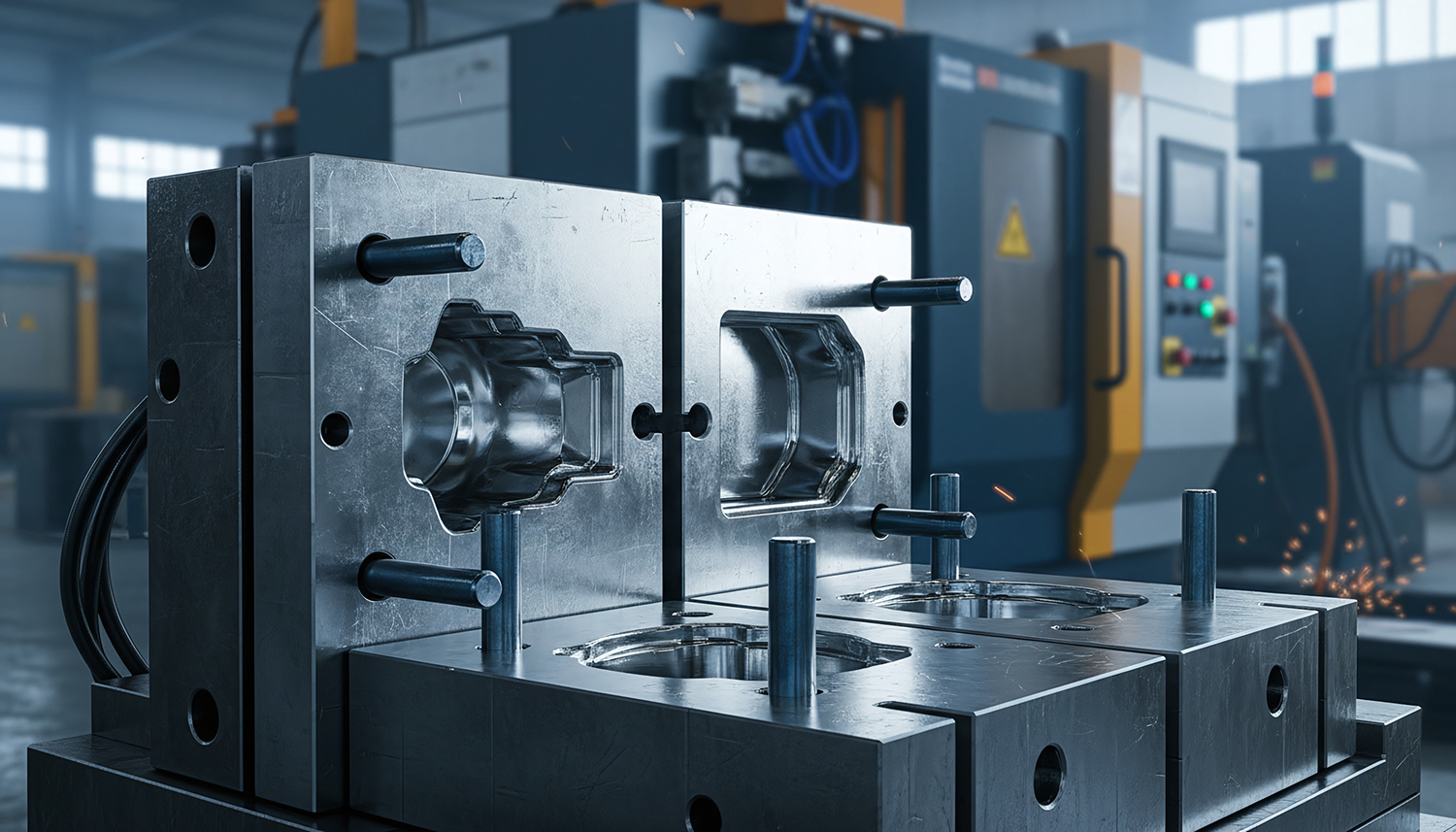
Let’s break down how to apply rust preventive spray for molds correctly, including surface preparation, spray distance and coverage, drying time, material compatibility, and proper removal so you can protect your tooling the right way.
Why Does Mold Rust Prevention Matter?
Moisture, humidity, and temperature swings create the perfect conditions for corrosion. Even short downtime periods can lead to condensation in cavities and on core surfaces. Without proper mold rust prevention, you risk:
- Surface pitting that affects part finish
- Flash or dimensional variation from corrosion buildup
- Increased polishing and rework time
- Reduced mold life
Reliable injection mold corrosion protection is a critical part of disciplined mold maintenance, especially in high-humidity or fluctuating environments.
Surface Preparation for Molds Before Application
Before you apply any industrial rust preventive spray, your preparation will determine how well it performs. If you skip or rush this step, the protective film may not bond evenly, and corrosion can still develop underneath. Start by:
- Removing resin residue, grease, and contaminants
- Drying all surfaces completely, including vents and ejector areas
- Inspecting cavities and cores for existing corrosion
Proper surface preparation for molds ensures corrosion inhibitors form an even protective film. Applying protection over moisture or debris reduces effectiveness and can trap contaminants against the steel.
How to Apply Rust Preventive Spray for Molds Correctly
When you apply rust preventive spray for molds, the technique directly affects long-term protection. Too little coverage leaves exposed steel. Too much creates pooling and extra cleanup before production. Follow these guidelines for consistent, reliable coverage:
- Hold the spray 8 to 12 inches from the surface unless otherwise specified
- Apply a light, even coat across all exposed steel
- Ensure coverage inside cavities, cores, slides, and inserts
- Avoid excessive buildup in vents and tight tolerances
The goal is a thin, uniform film that delivers consistent injection mold corrosion protection without complicating startup.
Drying Time and Mold Storage Protection
After application, allow the protective film to stabilize. Drying time varies based on product chemistry and environmental conditions.
During this stage:
- Store molds in a clean, dry environment
- Avoid handling coated surfaces prematurely
- Confirm full coverage before closing the mold
Proper curing supports reliable mold storage protection and ensures corrosion inhibitors form a stable moisture barrier.
Material Compatibility and Equipment Considerations
Not all mold components respond the same to protective chemistry. Tool steel grades, plated surfaces, stainless components, and aluminum inserts require compatible formulations. Before long-term storage, confirm your industrial rust preventive spray is suitable for:
- Hardened and pre-hardened steels
- Coated or plated surfaces
- O-rings or non-metal components
- Cooling channel materials
Selecting the correct formulation supports overall injection molding equipment care and prevents startup issues.
Rust Preventives vs Lubricants and Mold Releases
When you choose a rust preventive spray for molds, you’re selecting a product designed specifically for corrosion control. It is not interchangeable with:
- Mold release agents
- General-purpose lubricants
- Penetrating oils
Mold releases help parts eject. Lubricants reduce friction. Corrosion inhibitors form a protective barrier against moisture and oxygen. If you use the wrong product category, you risk compromising injection mold corrosion protection.
How to Remove Rust Preventive Before Returning to Production
Before you put a mold back into service, you need to remove the protective film completely to prevent contamination or surface defects. Best practice includes:
- Wiping surfaces with a compatible cleaner
- Ensuring cavities and vents are residue-free
- Verifying no film remains on part-forming areas
- Running a short test cycle before full production
Taking the time to remove the coating properly ensures your corrosion protection process does not interfere with part quality or startup performance.
Ready to Strengthen Your Mold Corrosion Protection Process?
When corrosion control is inconsistent, you risk surface damage, added polishing time, part defects, and shortened tool life. Choosing the right rust preventive spray for molds and applying it correctly protects your investment during storage, transport, and downtime.
Stoner Molding Solutions develops corrosion protection products engineered specifically for mold environments. Find the right solution today and protect your tooling from avoidable corrosion damage.